












Over the years, I’ve learned that just about every stone you turn in New England reveals an interesting story—sometimes more than one. Just east of the sprawling Quabbin Reservoir in west-central Massachusetts, in a valley between the Swift and Ware Rivers, lies a whole collection of stories known as the Muddy Brook Wildlife Management Area (WMA).
Much of this nearly 2,000-acre property in the town of Hardwick was acquired by the state from the Mixter family in 1992, and is now managed by the Massachusetts Division of Fisheries & Wildlife, also known as MassWildlife.
Adjacent to the Muddy Brook WMA and abutting the Quabbin is the 584-acre Mixter Nields Memorial Forest, which is owned and managed the New England Forestry Foundation (NEFF), a conservation group that has helped protect 1.2 million acres across New England. As the sixth-largest land trust in the nation, NEFF practices Exemplary Forestry on more than 40,000 acres that they own. Together, NEFF and MassWildlife manage the two properties surrounding Muddy Brook that share a unique habitat.
I visited the Muddy Brook WMA and the Mixter Nields Forest in mid-July, 2026, hosted by Chris Buelow, a biologist with MassWildlife, and Alec Giffen of NEFF. During a day that saw us stop at three different locations, I learned how the two entities had joined forces to restore a unique ecosystem, and why it is important.
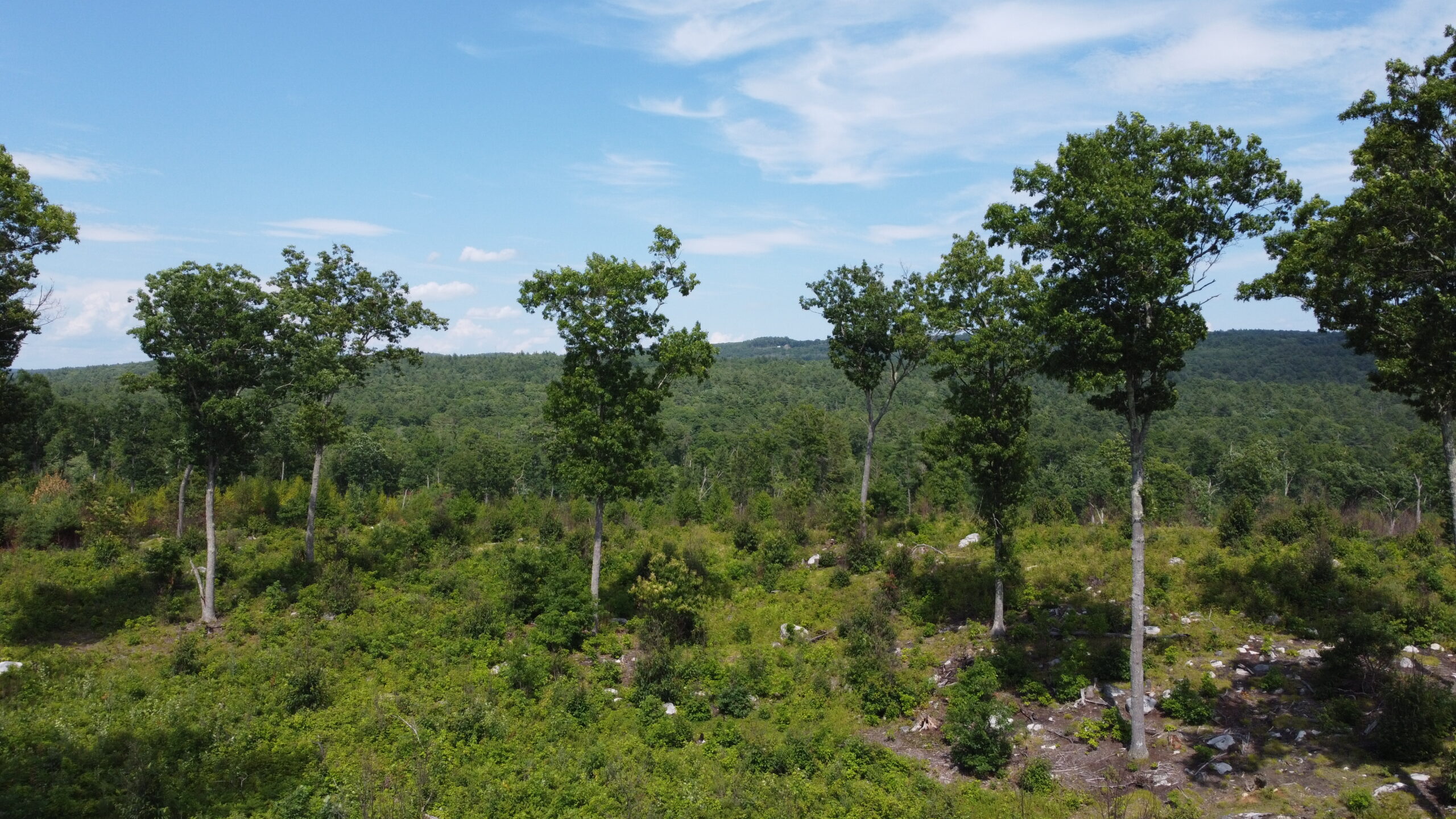
The story begins in 2004, when Buelow and other state biologists discovered that Muddy Brook comprised a rare “barrens” community that had been obscured by over a century of mature mixed-forest growth. Similar to barrens communities found on coastal plains, the Muddy Brook barrens were formed when the meltwater of receding glaciers deposited massive amounts of sand and gravel in the valley roughly 10,000 years ago. The porous, granular substate results in drought-prone, nutrient-poor soils that support an unusual variety of plants and wildlife that have adapted to this type of habitat, including Eastern whip-poor-will, common nighthawk, prairie warbler, racer and smooth green snake, and a remarkable number of specialized bees and moths.
MassWildlife quickly recognized the opportunity to increase biodiversity and restore populations of rare plants and animals that had been extirpated or had abandoned the former barrens. The effort was propelled by a recent state mandate to increase biodiversity within the Commonwealth.
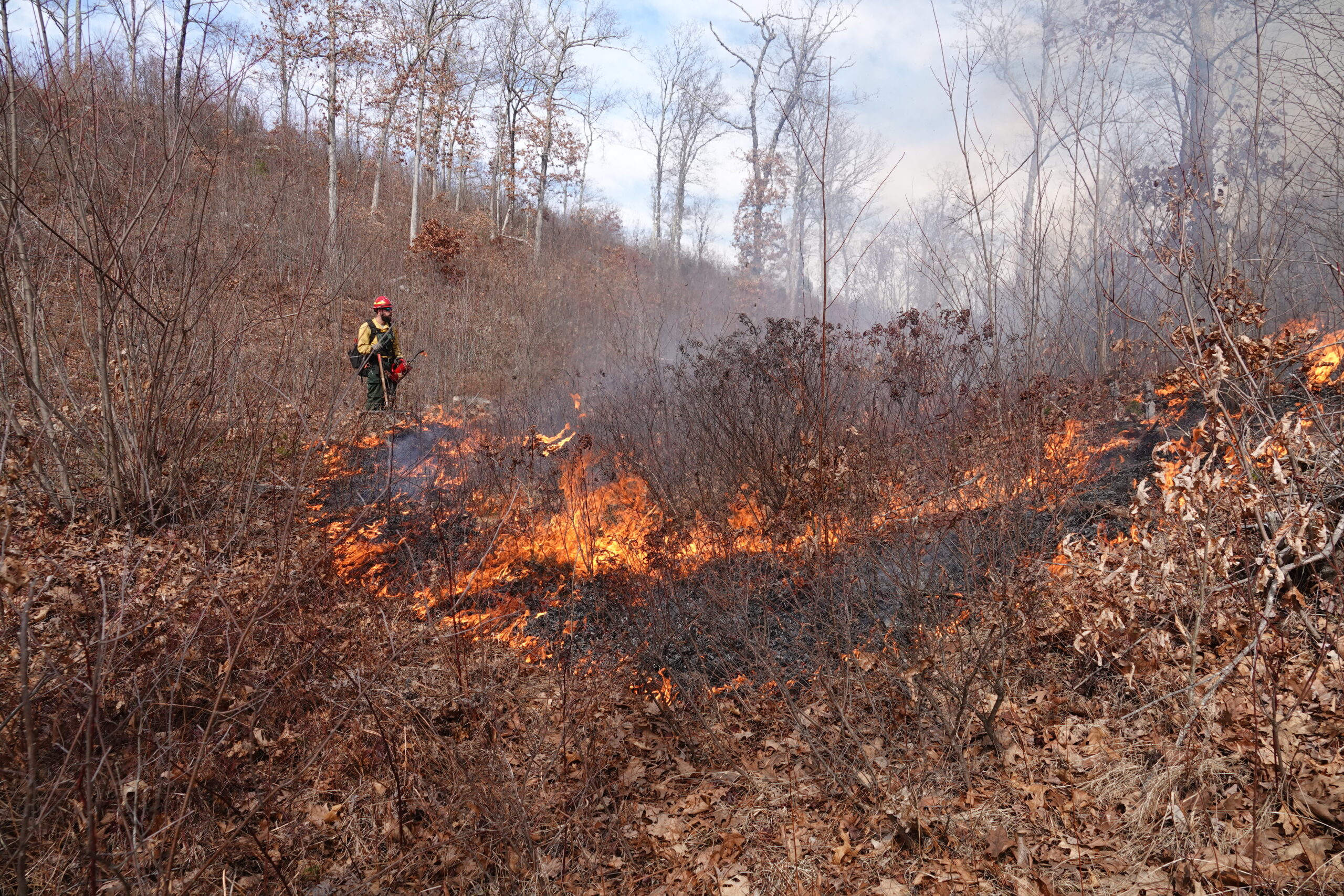
After 10 years of studies involving several universities, restoration work began in 2014 with the removal of so-called generalist tree species such as white pine that had come to dominate the forest canopy and prevent the growth of barrens-obligate plants and trees, such as pitch pine and scrub oak. That was followed by prescribed burning of the ground cover that eliminated fire-intolerant growth and sparked the germination of native seeds that had lain dormant for over a century below the accumulated duff covering the forest floor.
Giffen explained that prior to Colonial settlement, Native American tribes had conducted prescribed burns of their own to encourage a savannah-like landscape that was more conducive to game hunting and berry gathering. In other words, they actively managed the land through fire and helped maintain the barrens.
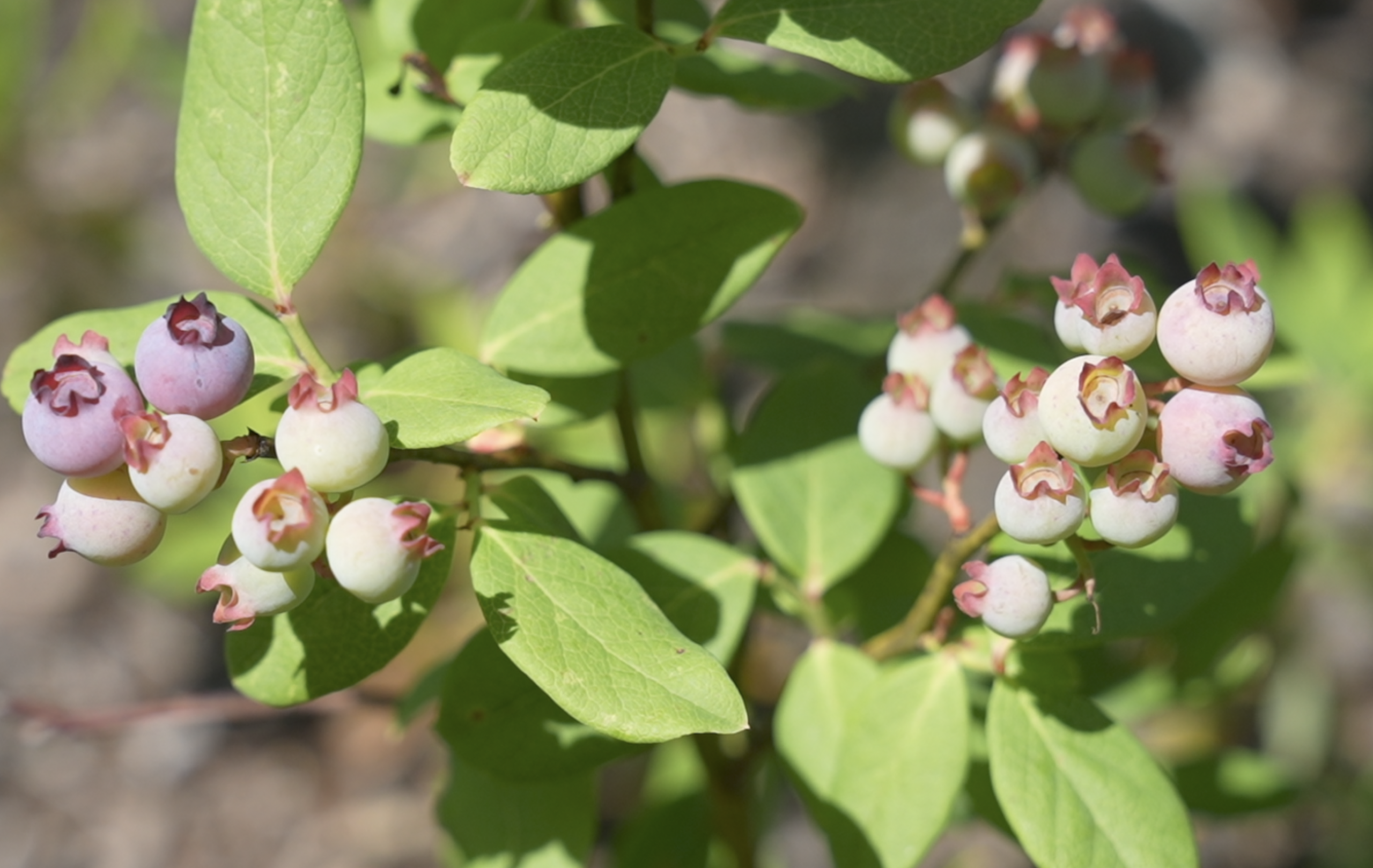
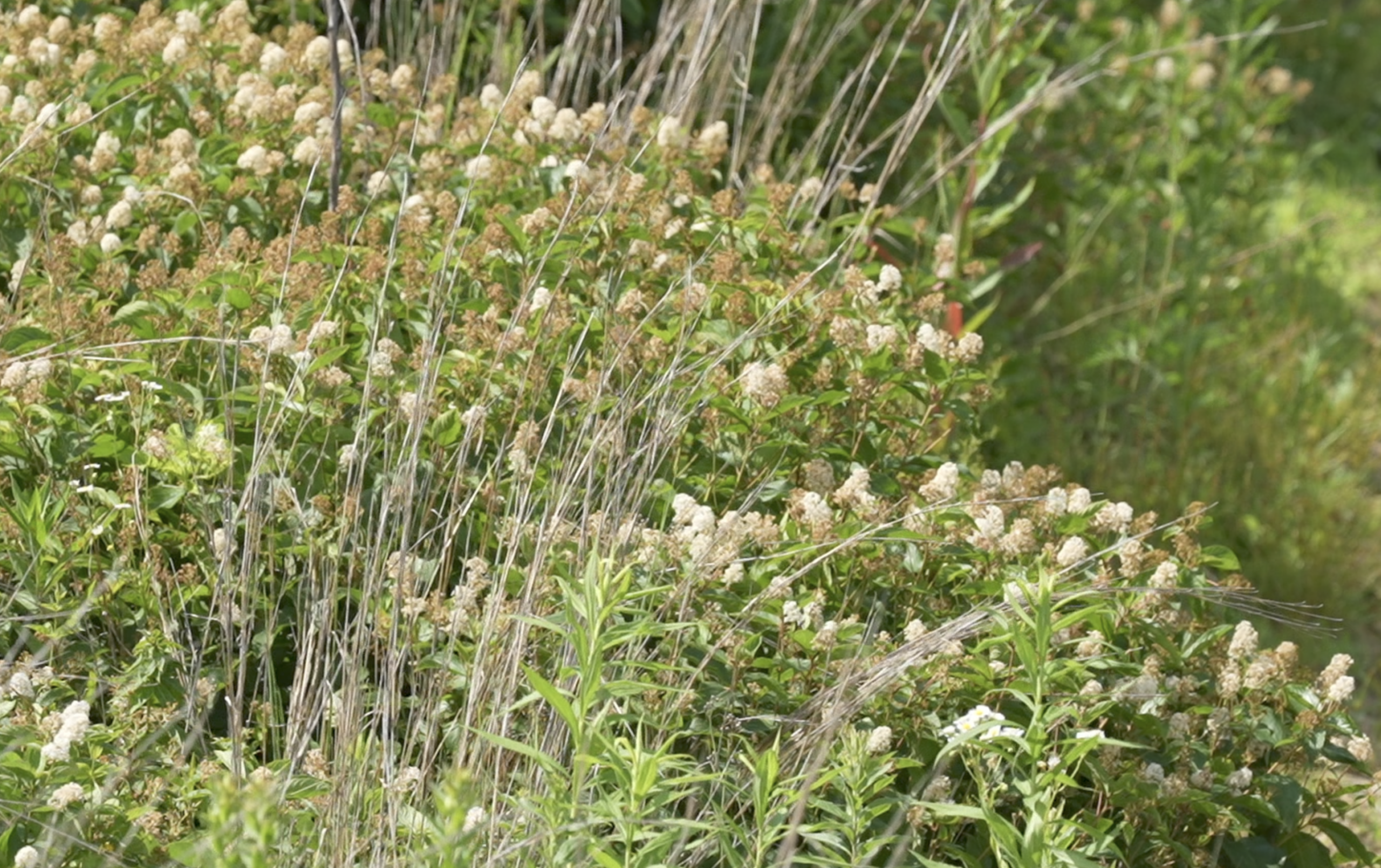
According to Buelow, the results of the first MassWildlife burns were almost immediate. Within a few months, the fire-treated sites were green with barrens-specific vegetation such as low-bush blueberry, New Jersey tea, scrub oak, huckleberry, and sedges. A year later, whip-poor-will and common nighthawk, two species not seen or heard in many years, were observed at Muddy Brook. Even more surprising was the return of barrens-specific bee and moth species, one of which was thought to be extinct! To date, over 180 bee species have been recorded at the Muddy Brook barrens, up from 32 species found pre-restoration, giving it the third highest bee-species density in Massachusetts!
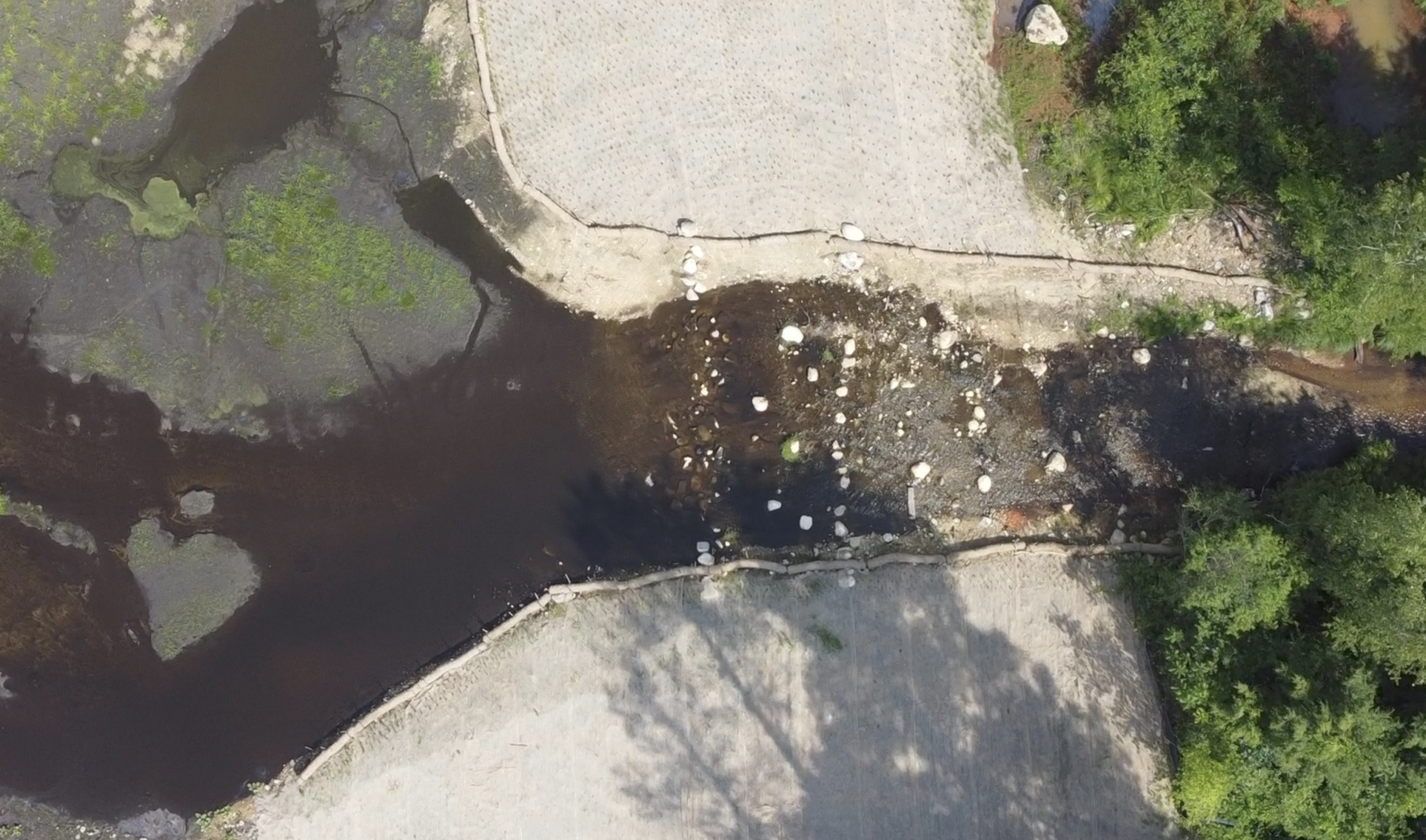
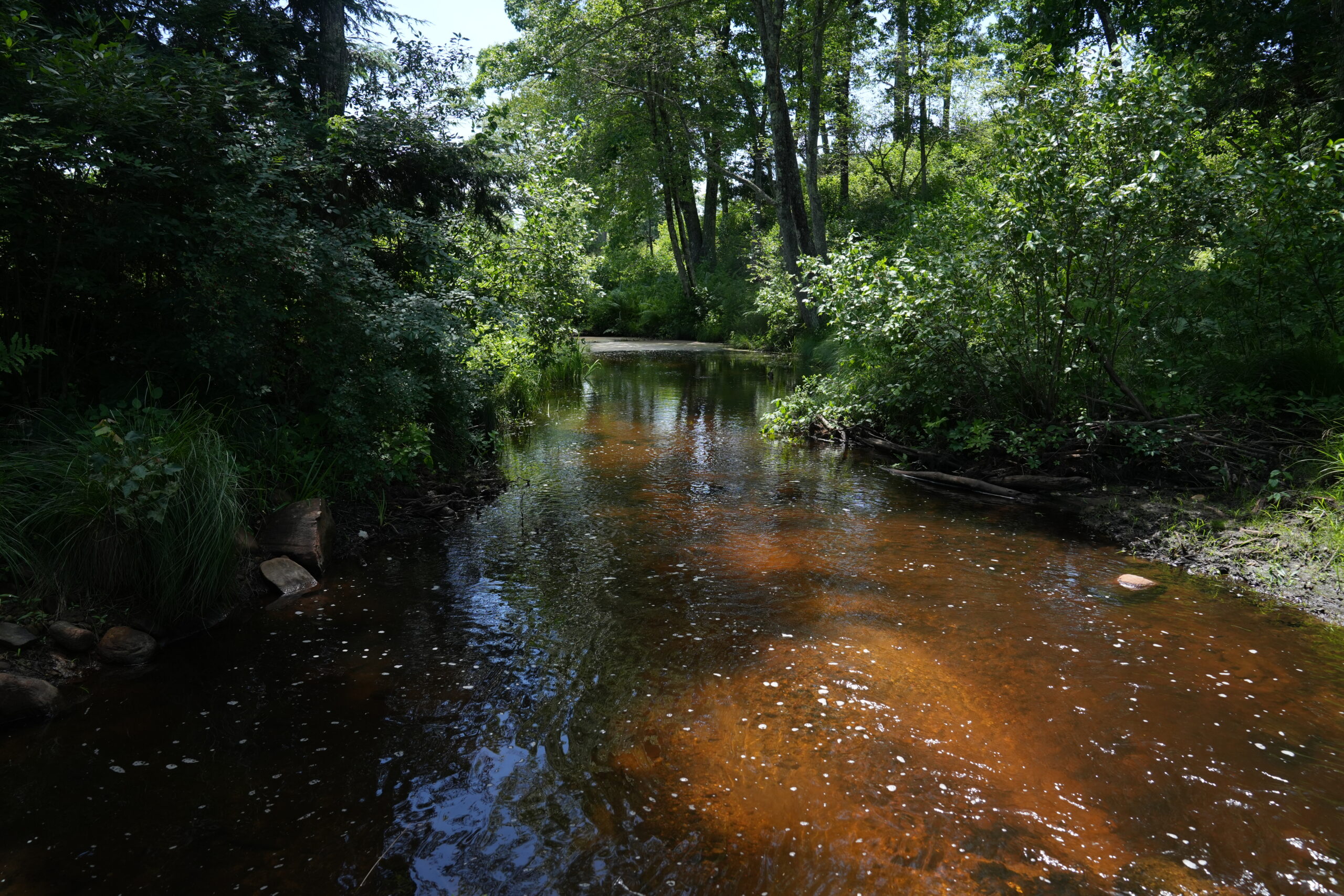
Muddy Brook itself flows through the heart of the barrens landscape and serves as a haven for a population of naturally reproducing brook trout. Cold-water seeps and springs upwelling through the sand and gravel provide thermal refugia for these fish, even during the hottest months. As part of the restoration, MassWildlife removed a dam on Muddy Brook, allowing the stream to flow naturally through the landscape.
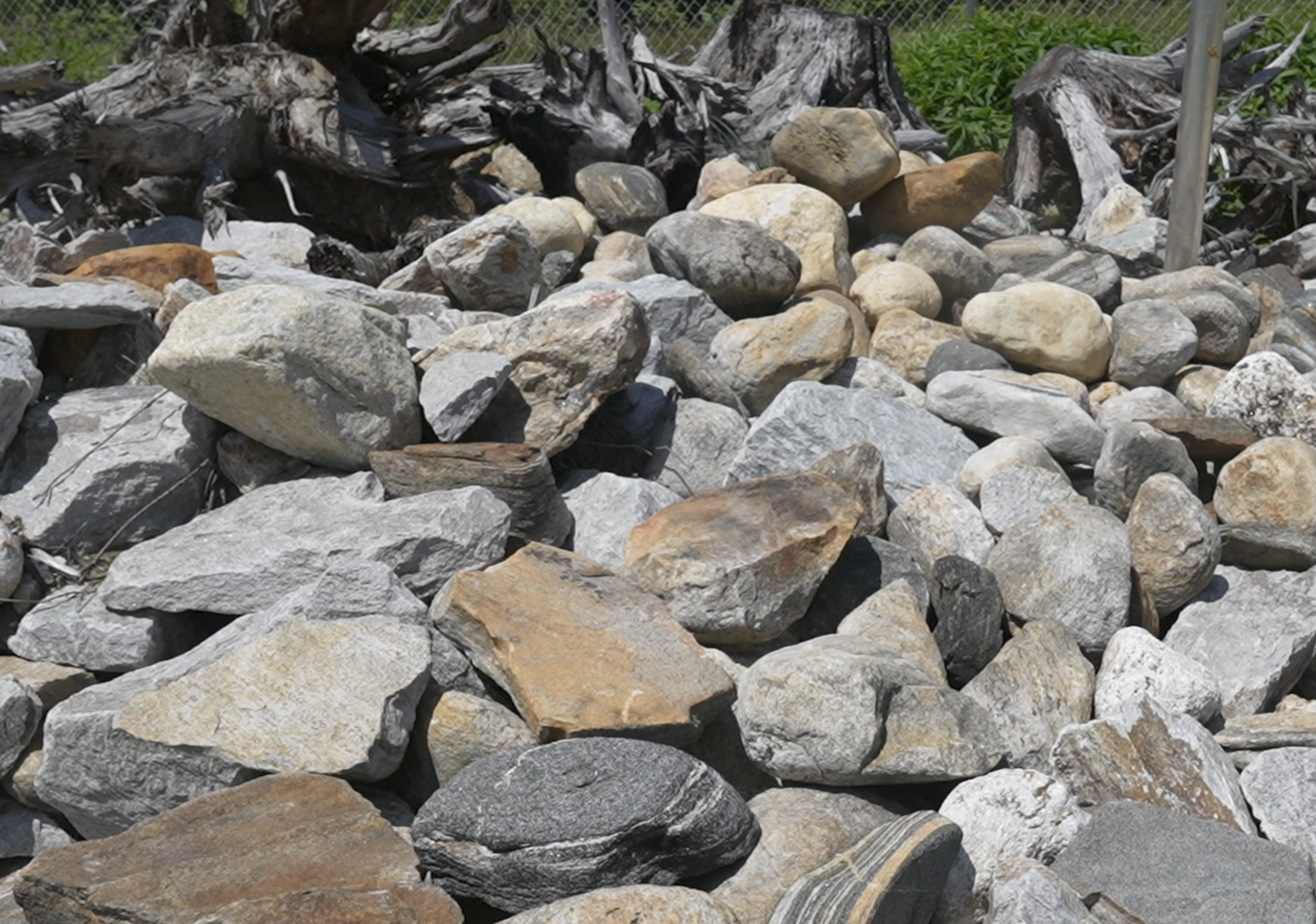
As mentioned, the barrens habitat hosts several specialized reptiles, including the black racer. To help attract more of these large snakes to Muddy Brook, MassWildlife has built a hibernaculum. It consists of jumbled boulders interspersed with large crevasses and tubes that provide the snakes with an underground overwintering refuge.
As of summer 2026, some 500 acres of barrens in the Muddy Brook WMA and adjoining Mixter Nields Forest have been thinned and burned. Going forward, prescribed burns will be conducted initially every three to four years to thwart the intrusion of generalist trees and plants. Once the barrens community has been firmly re-established, fire will be introduced every 10 years or so. The result will hopefully be a barrens community where the public can hear the haunting call of a whip-poor-will, gather wild blueberries, fish for wild brook trout, and appreciate a unique landscape that was hidden for over 100 years.
Stay tuned for an episode of ENE TV featuring the restoration work at Muddy Brook!