














When my friend Matt Hawkins told me that he had caught a rainbow trout in the Charles River—on a fly, no less—I was incredulous. This was back in 2015 or thereabouts, and even though I had fished in Massachusetts my entire life, I had never heard of trout living in the infamous Charles River, which, like many people of my generation, I associated with pollution. I’d heard of people catching carp and bass in the Charles, but trout?
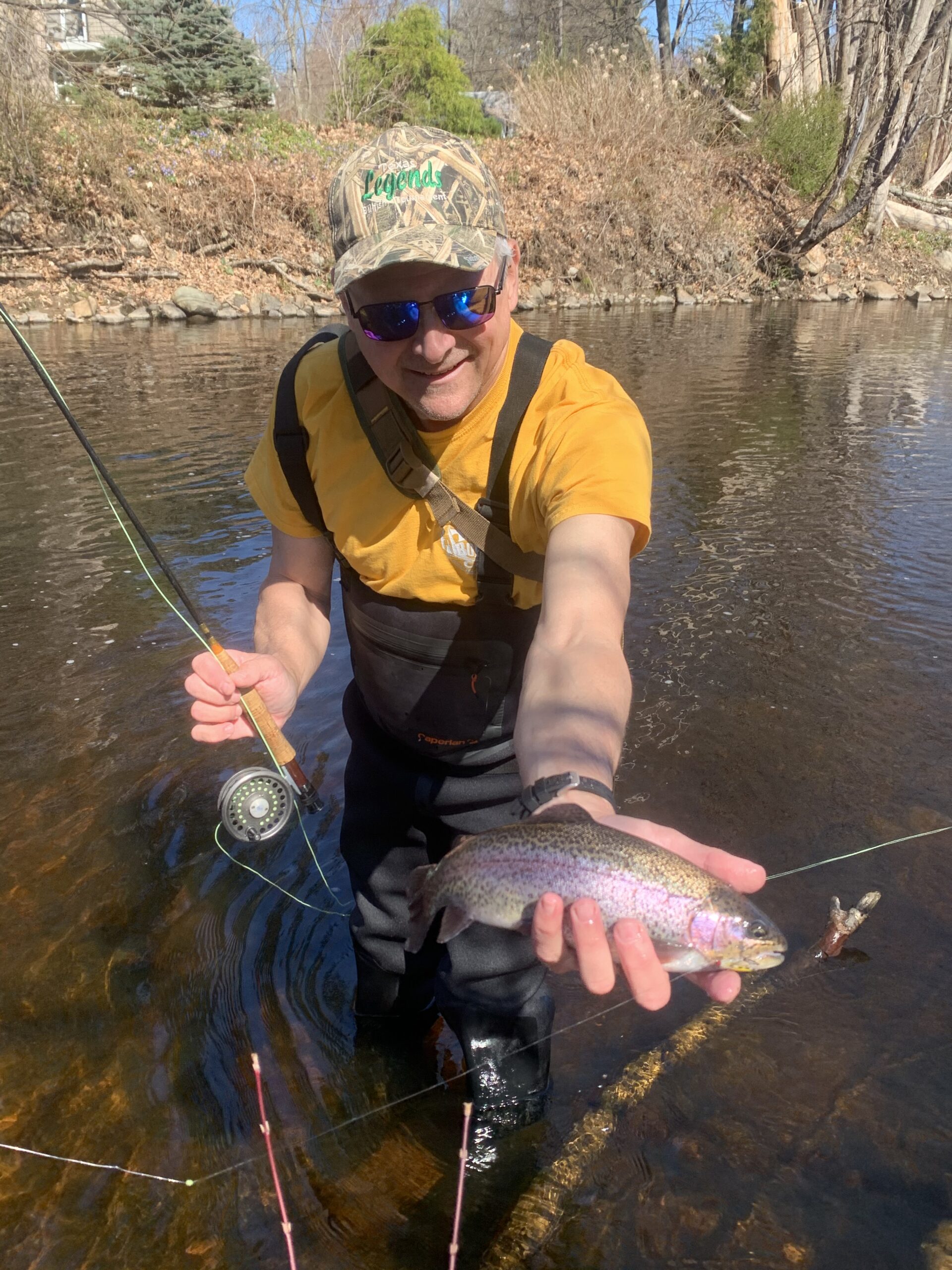
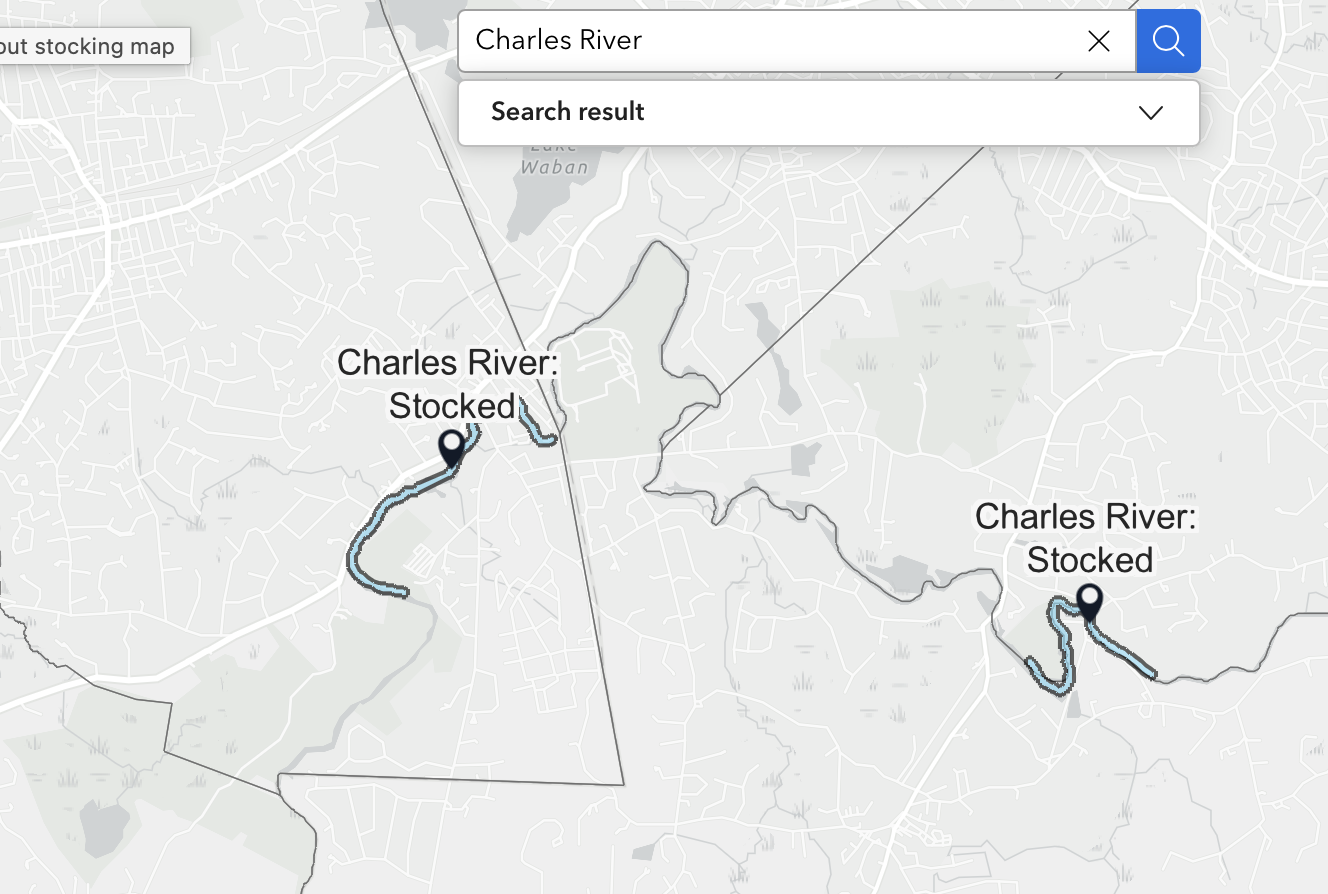
Yet Matt had provided photographic evidence that trout existed in the much-maligned Charles, along with a link to the Massachusetts Division of Fisheries & Wildlife website, which shows precisely where along the Charles it annually stocks the river (as well as some 450 other waterbodies) with rainbow, brown, and brook trout. Each spring, trucks laden with trout from state-managed hatcheries deposit thousands of trout in no fewer than six towns along the Charles, beginning in Needham and running all the way upstream to Millis.
Incidentally, while brook trout do breed naturally in the very upper tributaries of the Charles, most of the river is dependent on stocking. The hatchery and stocking programs are wholly funded through fishing license sales and federal grants derived from taxes on fishing tackle.
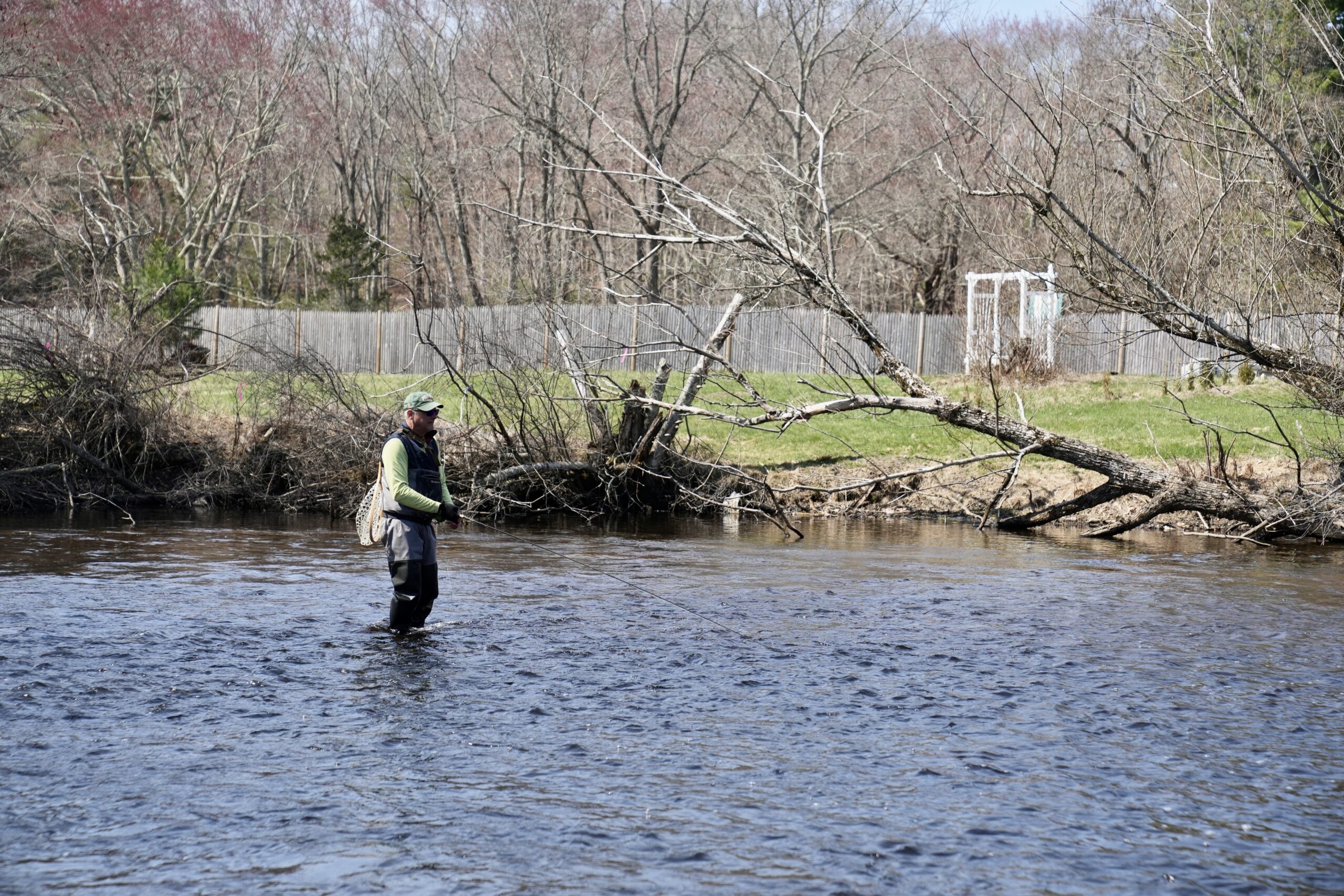
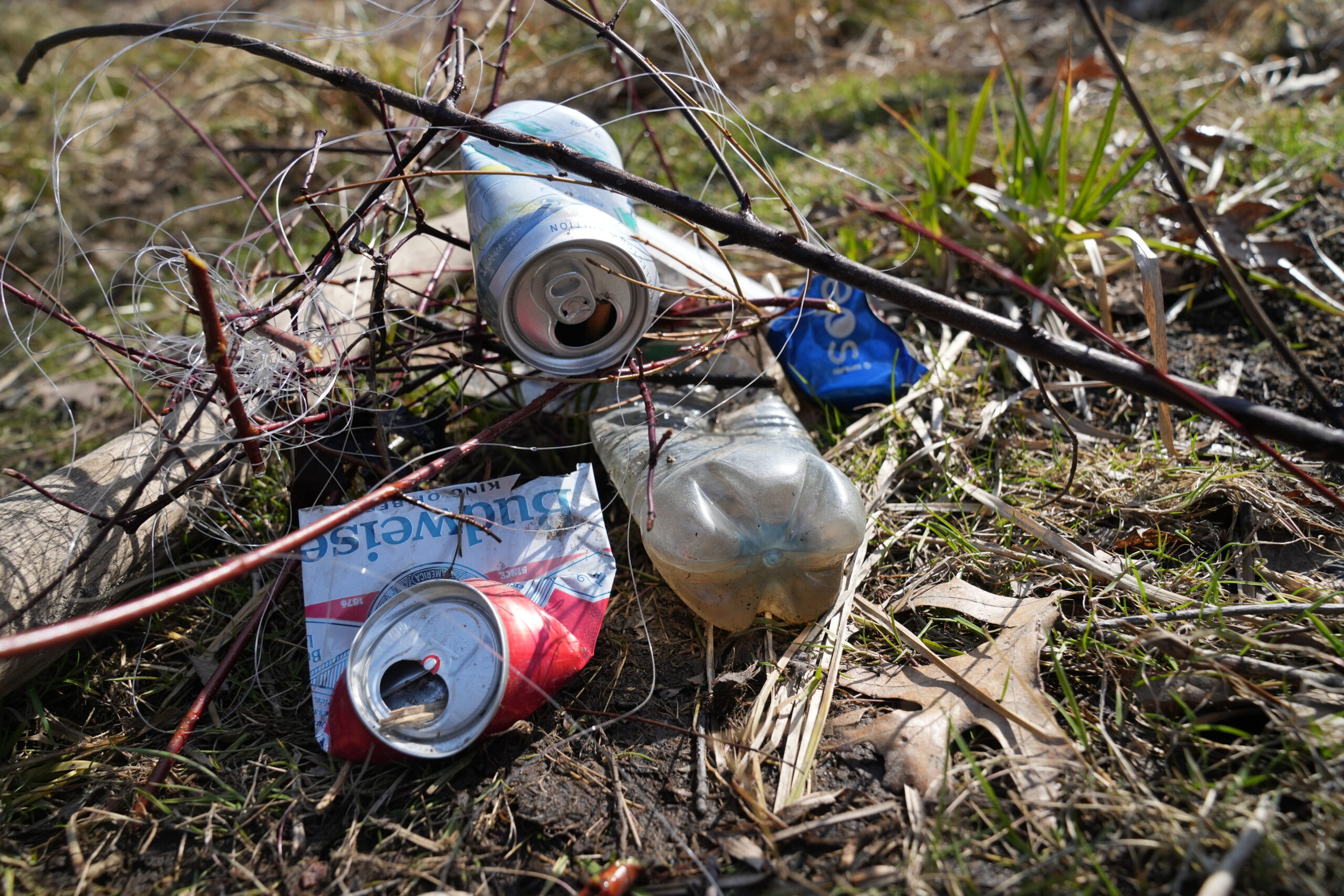
Anyone who knows the Charles as the sluggish, broad river separating the cities of Cambridge and downtown Boston will not recognize these trout-supporting sections. In most places, especially in the spring, the Charles resembles a swift-flowing stream that’s shallow enough to wade across in most spots. If you can ignore the assorted trash along the banks, along with nearby sounds of suburbia, you might be fooled into thinking you were in Maine or New Hampshire. And in early April, when stocking begins, the water is more than chilly enough to support trout.
Once the hatchery trout are released, they quickly settle into their new homes. Most do not move very far from the spots where they are stocked, unless heavy spring run-off carries them downstream. Note that heavy rains can roil the water, raise stream levels, and make the Charles unfishable, even unsafe, in some years.
As the river warms in June, most of the fish retreat to deeper pools where the water remains cooler through the summer and early fall. How many fish survive an entire year remains unclear, but the number is likely small. This is very much what’s known as a “put-and-take” fishery, meaning that the fish are meant to be harvested by the angling public. As such, some of the best action takes place immediately after the fish are placed in the river.
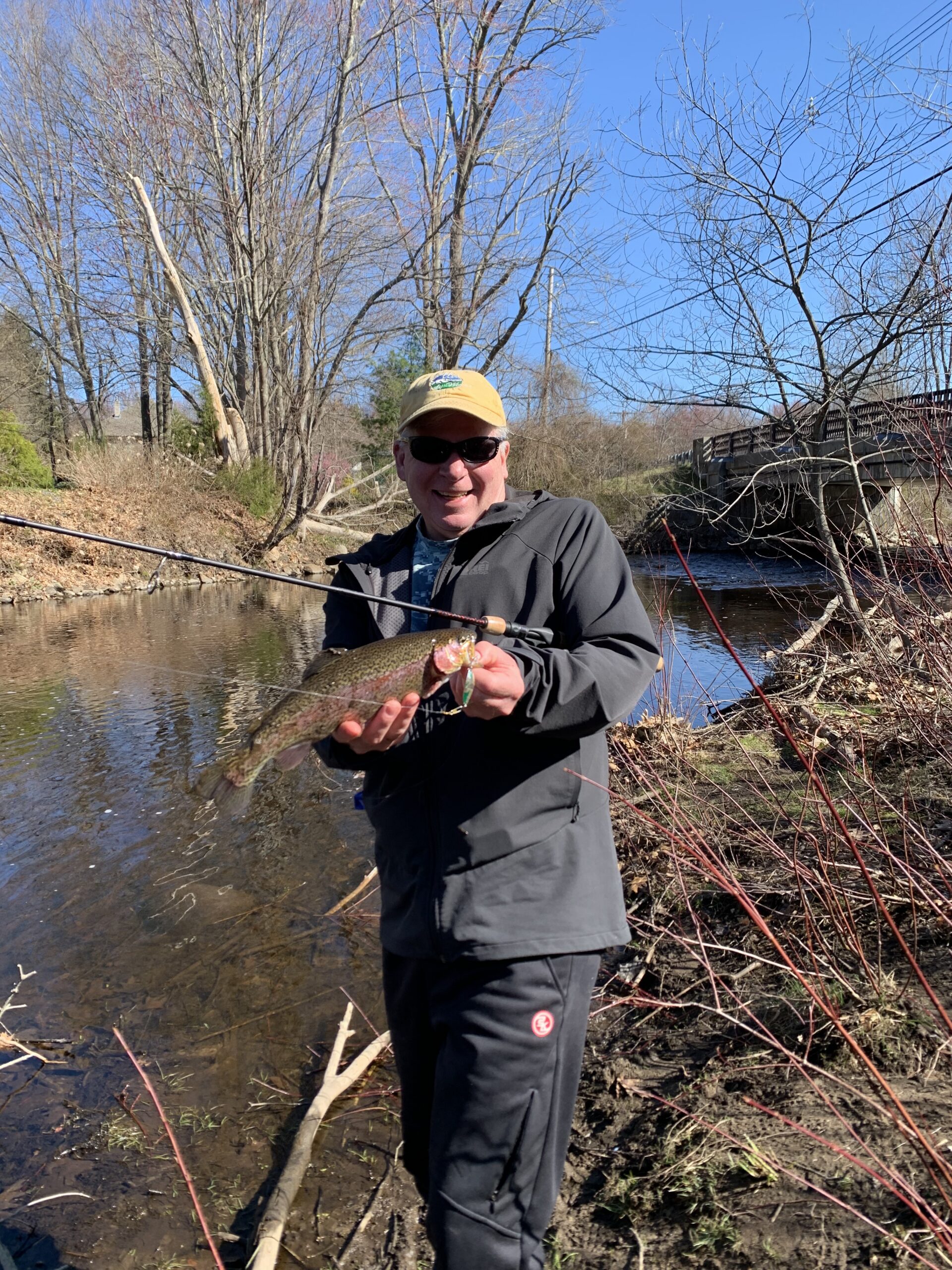
And most of the fish, especially the rainbows, are certainly large enough for a meal. Many of the stocked ‘bows weigh more than a pound, and are almost obscenely rotund (many anglers refer to them as “footballs”) thanks to a diet of nutrient-rich hatchery pellets. Their familiarity with hatchery food makes these trout easy targets for anglers who employ artificial bait such as Berkely Gulp! Nuggets and scented grubs. Live worms work well, too, as do a variety of small, shiny spinner baits and spoons. (Over the years, I’ve collected enough errant lures from tree branches along the Charles to fill a tackle box.)
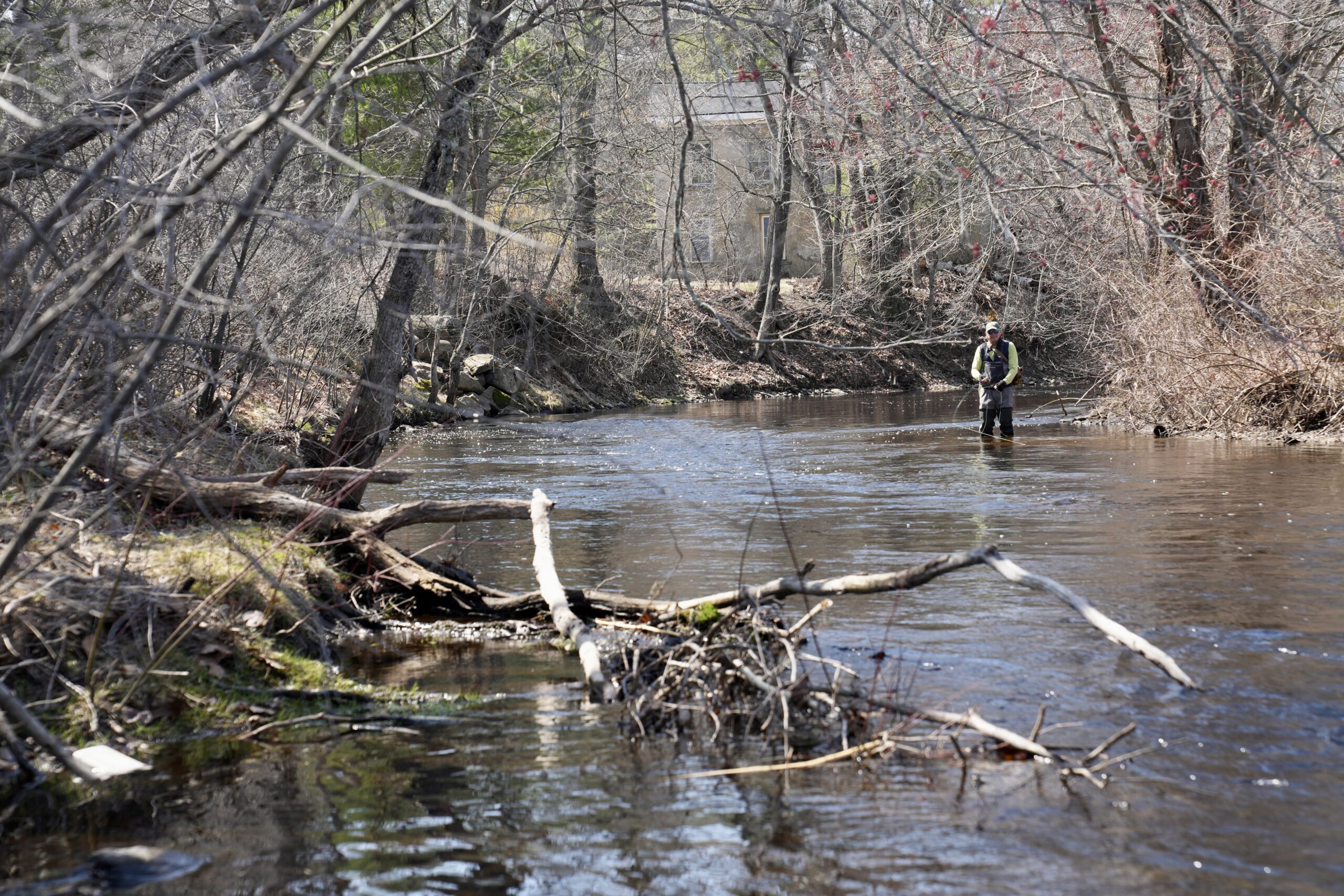
However, as mentioned, the stocked trout will also take flies, including a variety of streamers. Olive, black, and brown Wooly Buggers with a weighted cone head and some flash are especially effective and can be fished on a basic floating line. A long leader is not necessary, as the fish are not especially shy. Nymph imitations fished near the bottom also work, including Copper Johns and basic Hare’s Ear patterns. Again, the trout are not choosy. Later in the season, dry flies can work, as well.